
In an industry driven by constant innovation, viral food moments, and ever-changing consumer preferences, restaurant trends can rise, and disappear as well, within a matter of months. New concepts emerge rapidly, social media reshapes dining behavior overnight, and operators continuously compete to stay relevant in an increasingly saturated market.
Yet despite this fast-moving environment, family-owned restaurants continue to demonstrate remarkable resilience. Across generations and across markets, many family-driven hospitality businesses have managed not only to survive industry shifts, but to become long-lasting institutions within their communities.
Unlike trend-focused concepts designed primarily for rapid growth or short-term visibility, family-owned restaurants are often built around values that transcend trends: authenticity, consistency, emotional connection, operational discipline, and long-term vision. These businesses are not simply commercial ventures. They are personal legacies tied to reputation, heritage, and community relationships.
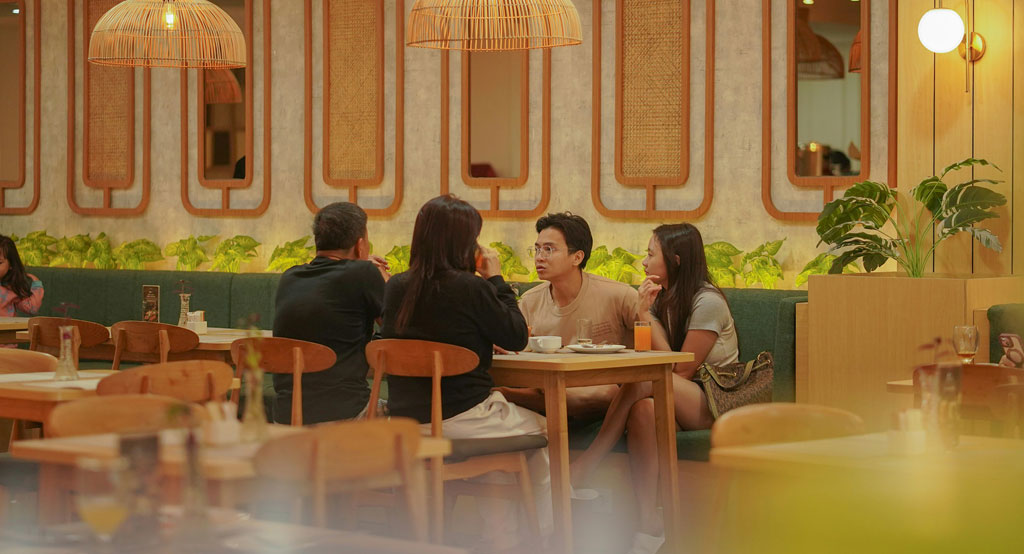
Built for Generations, Not Seasons
One of the biggest differences between family-owned restaurants and trend-driven concepts lies in their mindset toward growth and sustainability.
Many modern restaurant brands are designed around aggressive scalability. Expansion targets, investor expectations, and rapid market penetration often become the primary focus. While this strategy can generate fast visibility, it can also create operational pressure and identity dilution.
Family-owned businesses usually think differently.
Their objective is often centered around longevity rather than speed. Decisions are made with future generations in mind, not simply quarterly performance. This naturally creates a more disciplined and sustainable approach toward expansion, operational management, and customer relationships.
A strong example is PAUL, the historic French bakery-café brand founded in 1889 and still family-owned through the Holder family. Over the years, the brand expanded internationally while preserving its artisanal bakery heritage and recognizable café culture. Having personally contributed to part of PAUL’s successful market entry, expansion, and brand positioning journey within the GCC, one key observation became particularly clear: the brand’s long-term success was never built around trends alone, but rather around consistency, operational discipline, and a strong emotional connection with customers.
This balance between heritage and evolution is one of the key reasons family-owned businesses often survive longer than trend-driven operators.
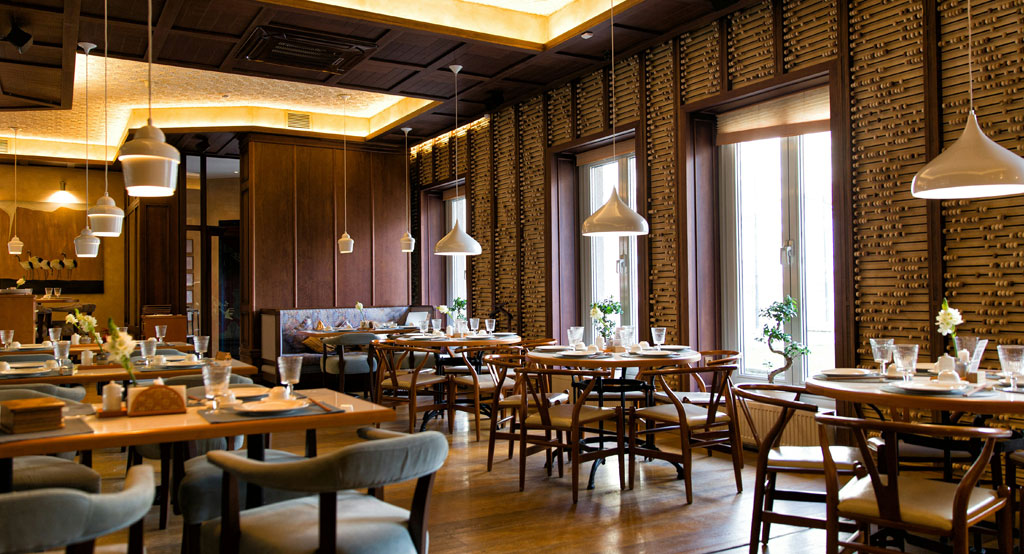
Consistency Builds Loyalty
In hospitality, consistency is one of the most powerful drivers of long-term customer loyalty.
Guests may initially visit a restaurant because of curiosity or marketing exposure, but they return because they trust the experience. Family-owned restaurants often excel in delivering this reliability over many years.
Customers know what to expect:
- Familiar hospitality
- Signature dishes
- Stable quality
- Recognizable atmosphere
- Personal relationships
This predictability creates emotional comfort and trust, which eventually turns into loyalty across generations.
In contrast, trend-focused concepts sometimes struggle to maintain consistency while constantly adapting to market hype. Menus change too frequently, operational standards fluctuate, and the original identity of the concept may become diluted over time.
Family businesses generally evolve more carefully. They adapt gradually while preserving the emotional DNA that customers already value.
A strong regional example is Al Safadi. The brand successfully expanded across the UAE while maintaining authentic Lebanese hospitality, generous dining culture, and operational consistency. Rather than relying on temporary dining trends, Al Safadi built customer loyalty through familiarity, trust, on ground presence, and a strong emotional connection with the community.
For many guests, visiting Al Safadi is not simply about eating Lebanese food. It is about experiencing warmth, tradition, and continuity.
Emotional Connection Matters More Than Trends
One of the greatest advantages family-owned restaurants possess is emotional authenticity.
Consumers today increasingly seek experiences that feel genuine and human. While visually impressive concepts may generate attention online, customers ultimately build deeper loyalty toward brands that create emotional meaning.
Family-owned restaurants naturally embody this authenticity because their stories are real. Recipes are often inherited through generations. Hospitality values are lived daily rather than designed purely for branding purposes. Customers feel connected not only to the product, but also to the people behind the business.
This emotional factor becomes especially important during difficult economic periods or market slowdowns. Communities are more likely to support businesses they feel personally attached to.
Across many regions, family restaurants become part of people’s routines, memories, and celebrations. Over time, they evolve into cultural institutions rather than simple dining venues.
Operational Discipline and Long-Term Thinking
Another reason family-owned restaurants often outlast trends is their financial and operational discipline.
Because many family businesses are funded through personal investment and built gradually over time, operators tend to manage costs more carefully and expand more strategically. They focus heavily on cash flow stability, operational efficiency, and sustainable profitability.
Growth is usually more calculated and less speculative.
This disciplined approach allows family businesses to survive periods that often eliminate trend-driven concepts operating with unsustainable expansion models or inflated operating costs.
A strong international example is Jollibee, founded by the Tony Tan Caktiong family. What started as a small family business eventually became one of Asia’s most successful restaurant groups. Yet despite its scale, Jollibee maintained a strong emotional connection with consumers by preserving its family-oriented identity, cultural relevance, and operational consistency.
The company succeeded not because it copied global fast-food trends, but because it stayed deeply connected to its own market identity and customer expectations.
Adaptation Without Losing Identity
Survival in hospitality does not mean resisting change entirely.
The restaurant industry continues to evolve rapidly through technology, delivery platforms, changing dining habits, sustainability expectations, and new consumer behaviors. Even the most traditional businesses must adapt to remain relevant. However, the most successful family-owned restaurants understand how to evolve without abandoning their identity.
They modernize carefully:
- Improving customer experience
- Refreshing store design
- Updating menus selectively
- Introducing digital tools
- Enhancing operational systems
But throughout this process, they preserve the essence of what made customers loyal in the first place.
This ability to balance modernization with authenticity is extremely difficult to achieve and often separates enduring hospitality brands from short-lived trends.
The Human Side of Hospitality
At its core, hospitality remains a people-driven industry.
Technology may improve convenience, and trends may generate excitement, but genuine hospitality still depends on emotional connection, trust, and human interaction. Customers remember how a restaurant made them feel long after they forget a social media trend or seasonal menu item.
Family-owned restaurants often succeed because they preserve this human side of hospitality exceptionally well. Owners remain close to operations. Relationships with guests matter deeply. Employees often stay longer and become part of the restaurant culture itself.
This creates an environment that feels personal rather than transactional.
In a market increasingly dominated by automation, rapid scaling, and short-term trend cycles, these human qualities become even more valuable.
More Than Restaurants
Ultimately, many family-owned restaurants survive because they represent something larger than food alone.
They represent continuity.
They represent culture.
They represent trust accumulated over years, sometimes generations.
Whether it is PAUL preserving French bakery heritage globally, Al Safadi maintaining authentic Lebanese hospitality in the GCC, or Jollibee building emotional loyalty across international markets, these businesses demonstrate a common principle: long-term success in hospitality is rarely built on trends alone.
It is built on authenticity, consistency, emotional connection, and the patience to think beyond the next season.
And while dining trends may continuously evolve, those values rarely go out of style.